Why Players Overreact To Rare Events
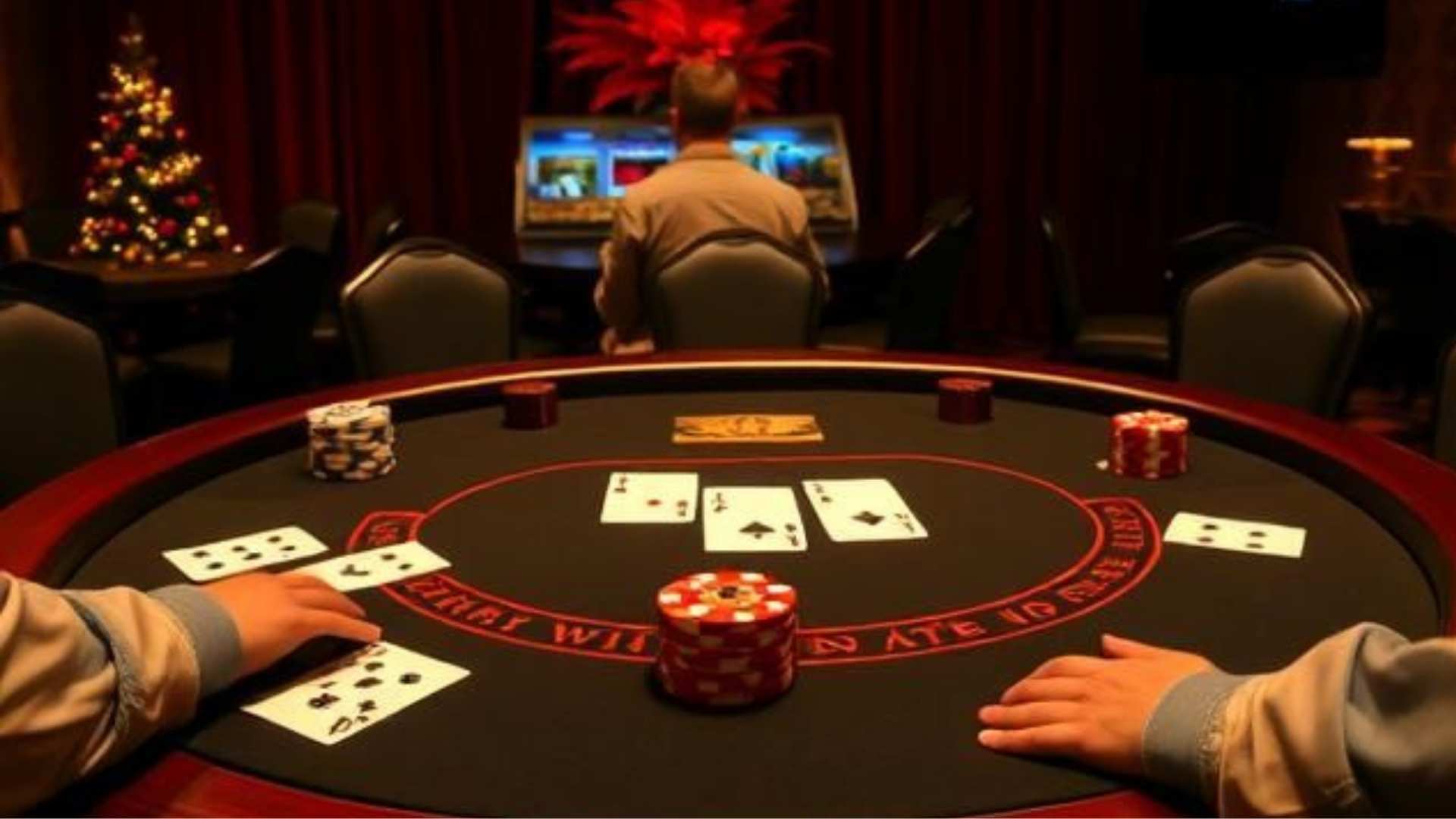
In competitive games and strategic environments, low-probability outcomes often exert a disproportionate influence on human behavior. When an unusual scenario unfolds, participants frequently alter their established strategies despite the statistical likelihood of that event recurring being extremely minimal. Understanding why players overreact to rare events requires examining how the human brain processes surprise, memory, and risk management.
The Psychology of the Availability Heuristic
Human memory is naturally wired to give greater weight to emotionally charged or highly dramatic experiences. When a player witnesses an unexpected outcome, such as an extraordinary bad beat or a long-shot victory, that vivid memory becomes easily accessible. Consequently, individuals overestimate the future frequency of that rare event simply because it stands out so clearly in their minds.
This mental shortcut, known as the availability heuristic, misleads players into adjusting their decisions for scenarios that almost never happen. Instead of trusting long-term probabilities, they play defensively against extreme anomalies. Over time, this cognitive distortion degrades overall decision quality and reduces long-term profitability.
The Role of Loss Aversion and Fear
Psychological research demonstrates that the pain of losing is felt much more intensely than the pleasure of an equivalent gain. When a rare event results in a severe loss, the resulting frustration creates a strong desire to prevent that specific scenario from happening again. Players begin to make suboptimal choices purely to avoid the emotional sting of a repeat occurrence.
This heightened sense of caution often leads to overly passive or erratic play during routine situations. For example, gamers exploring platforms through a vip 代码 m88 might notice how sudden statistical outliers cause opponents to abandon sound strategies. The fear of experiencing another unexpected loss outweighs the logical calculation of expected value.
Recency Bias and Short-Term Distortions
Another major driver of overreaction is recency bias, which causes individuals to overweight their most recent experiences. Even when a player understands mathematical odds theoretically, a recent low-probability event can completely distort their real-time judgment. They treat a single isolated incident as the start of a brand-new trend rather than a statistical anomaly.
This flaw causes constant shifts in strategy, preventing players from mastering a consistent, disciplined approach. By continually reacting to the last remarkable hand or round, they remain perpetually off-balance. True mastery requires recognizing that short-term variance does not invalidate a proven, long-term framework.
Building Resilience Against Statistical Outliers
Overcoming the instinct to overreact requires deliberate mental discipline and a deeper appreciation for probability distributions. Top-tier competitors train themselves to view every decision through the lens of expected value rather than immediate results. When an extraordinary event occurs, they acknowledge the mathematical outlier without allowing it to compromise their baseline plan.
Developing an objective mindset involves reviewing performance data over large sample sizes rather than focusing on isolated moments. By tracking long-term trends, players can separate genuine strategic flaws from simple statistical noise. This analytical clarity protects their decision-making process from the emotional turbulence caused by rare events.